Table of contents
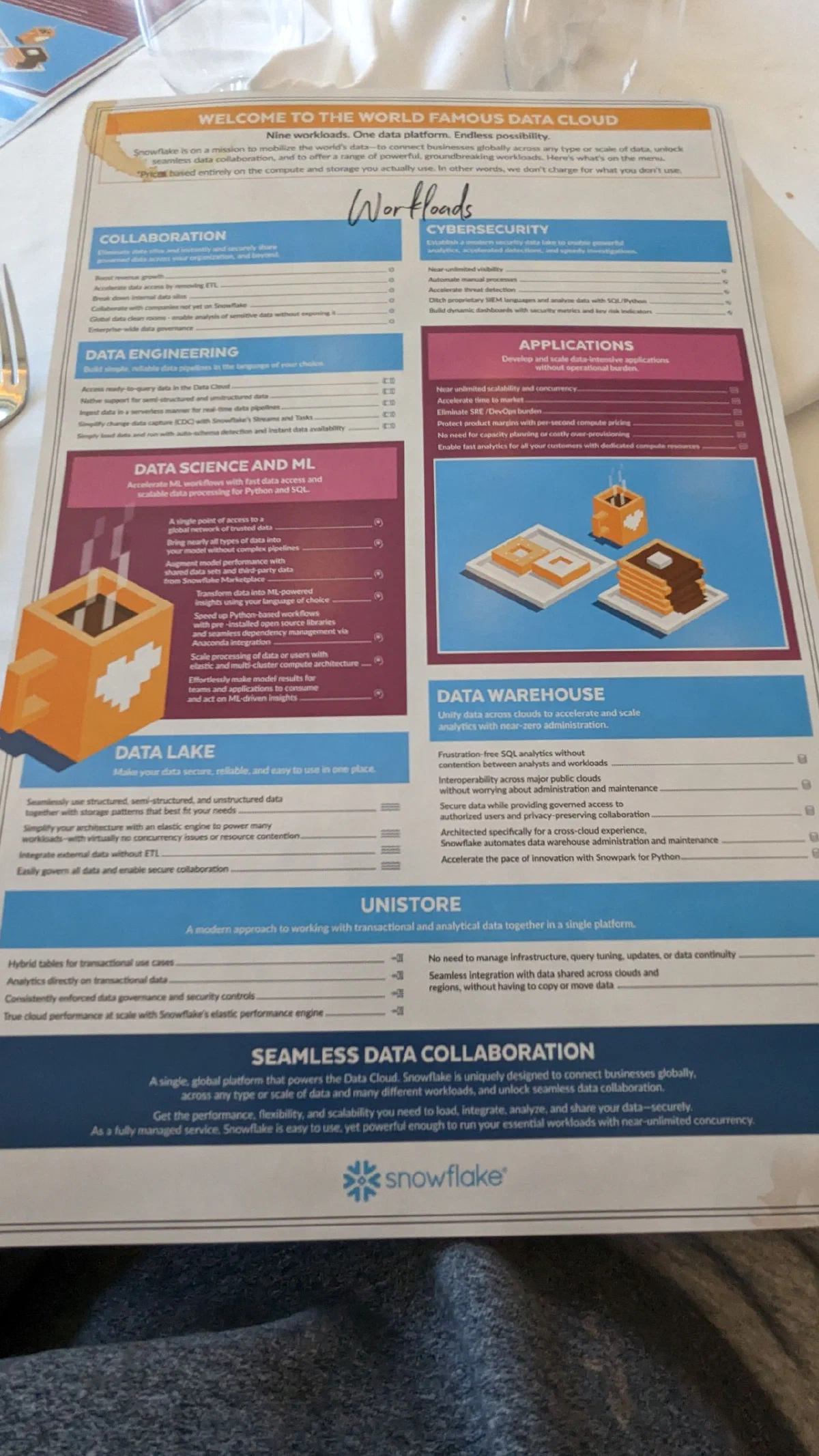
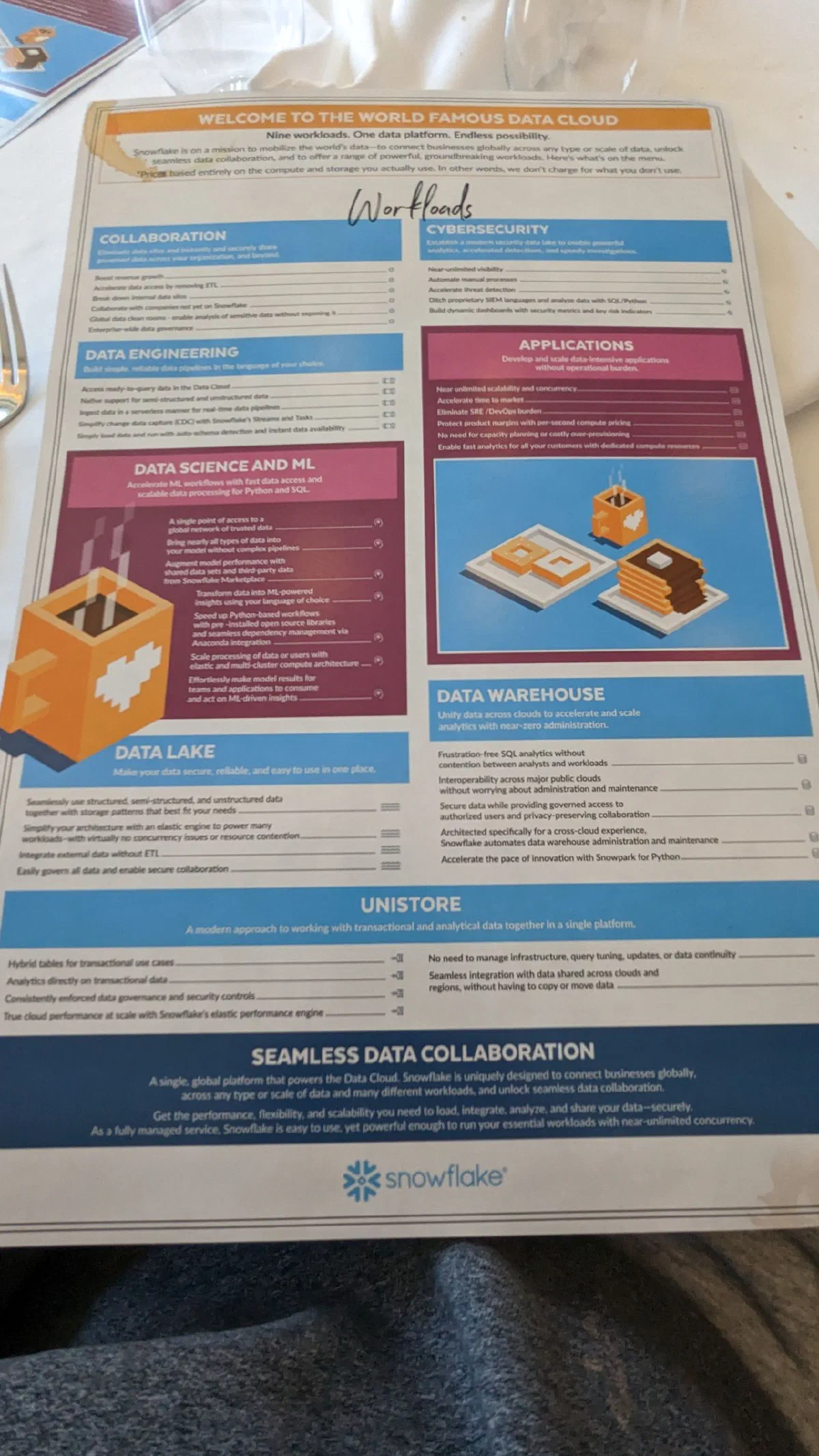
Snowflake Data-for-Breakfast was a morning conference on the cloud data platform — warehousing, sharing, governance, and customer stories that make abstract architecture feel operational. I went to hear how teams actually run Snowflake, not to collect swag. Infostrux ran a keynote that tied the room together.
1. Why I attended
I was touching data platforms on coursework and side projects — enough SQL to be dangerous, not enough production war stories. A breakfast format is low commitment: if the first talk is weak, you still leave before lunch with one useful vocabulary word (clean room, share, row access policy).
2. Overview materials
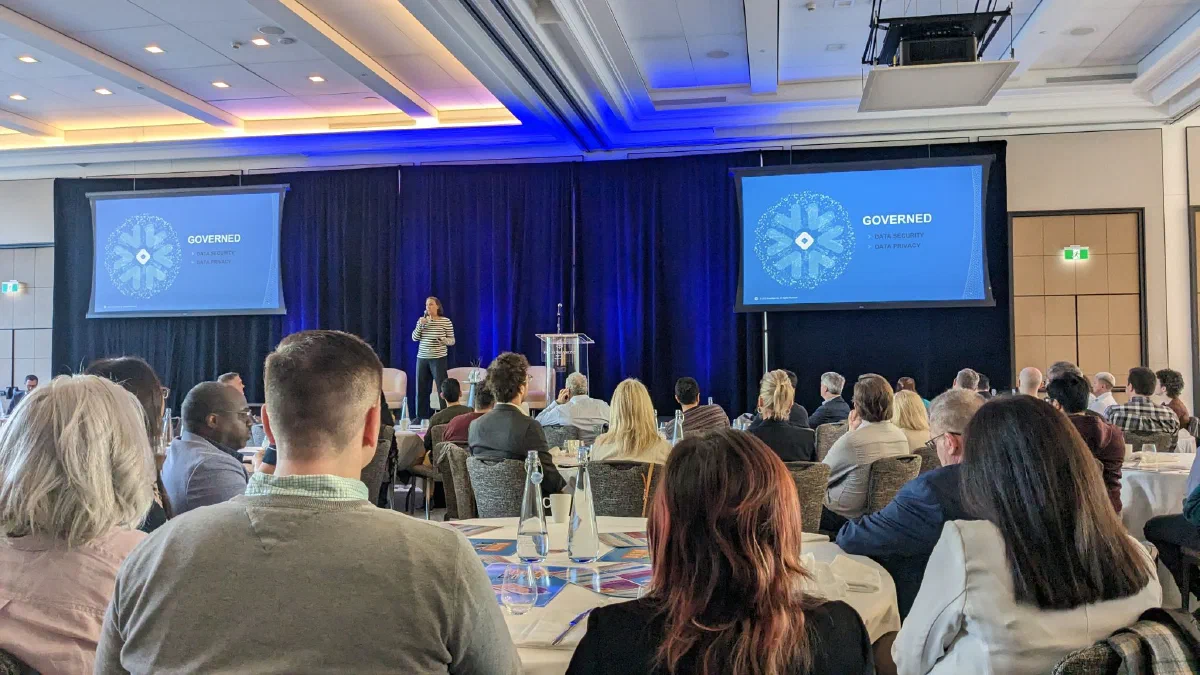
The opening deck framed Snowflake as governed sharing first, raw speed second. That ordering matters when your org’s fear is “we cannot expose that table,” not “we need another cluster.”
3. What stuck from customer stories
3.1. Global healthcare operations
One healthcare customer ran secure operations across three continents — partner data sharing without losing availability or SLA headroom.
| Lesson | Detail |
|---|---|
| Replication + governance | Compliance is not an afterthought when partners query live |
| Latency budgets | Clinical ops cannot wait for overnight batch only |
| Sharing contracts | Legal and technical share objects move together |
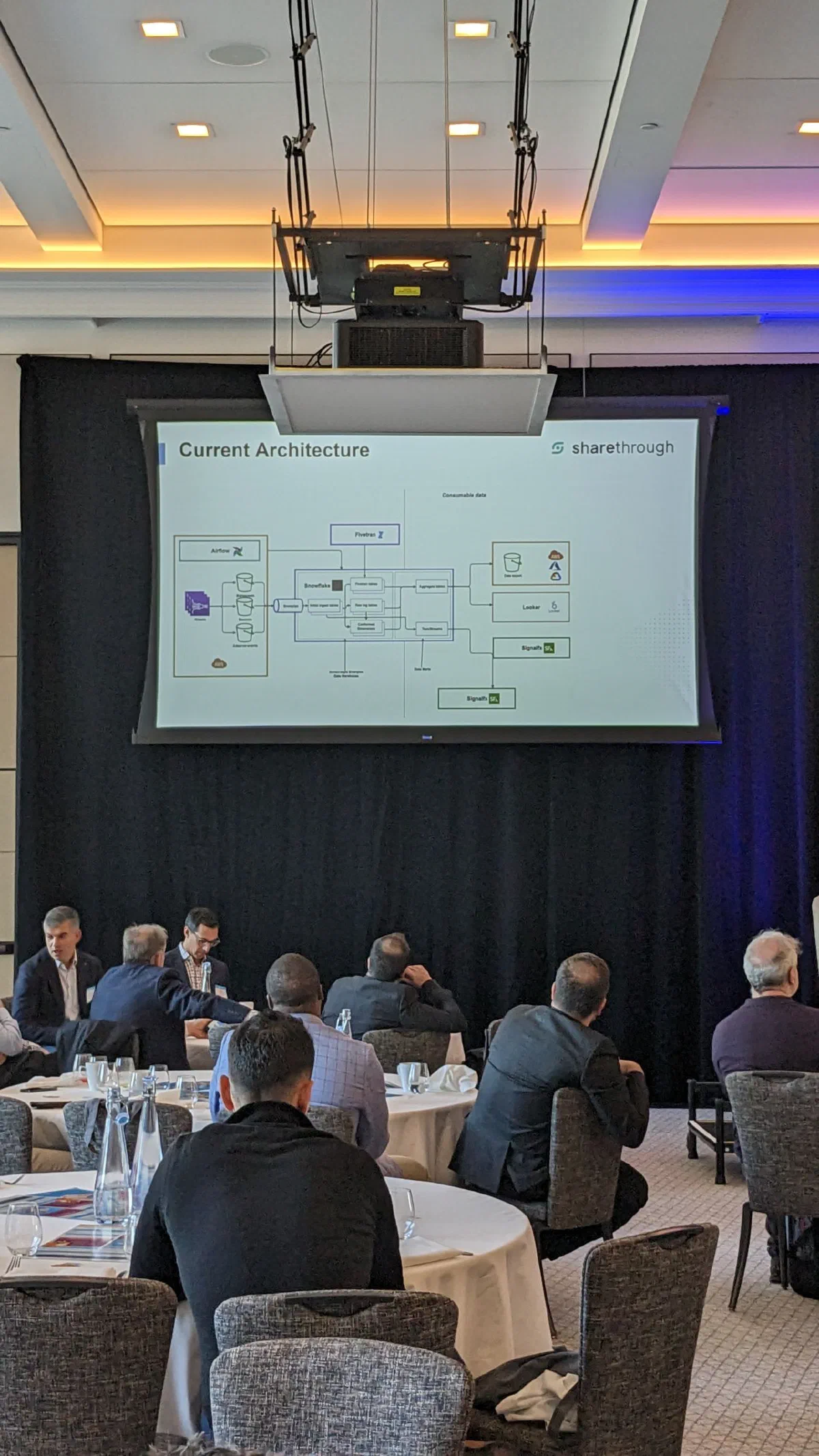
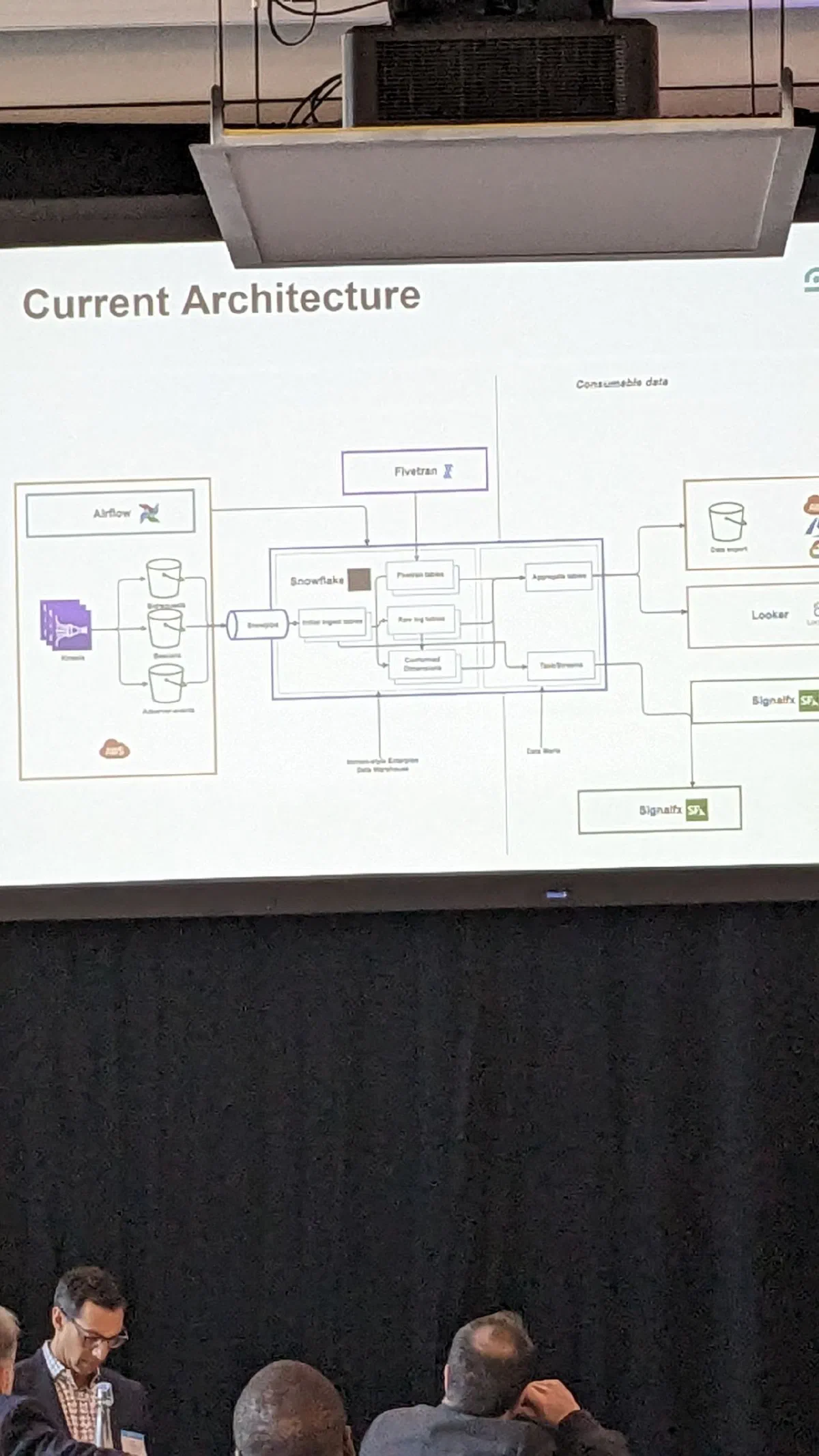
That is the pitch for a cloud warehouse when compliance and replication actually work in production — not a slide, a running system.
3.2. Tax-sector analytics at scale
Another team needed to land very large datasets and explore them without knowing every question upfront.
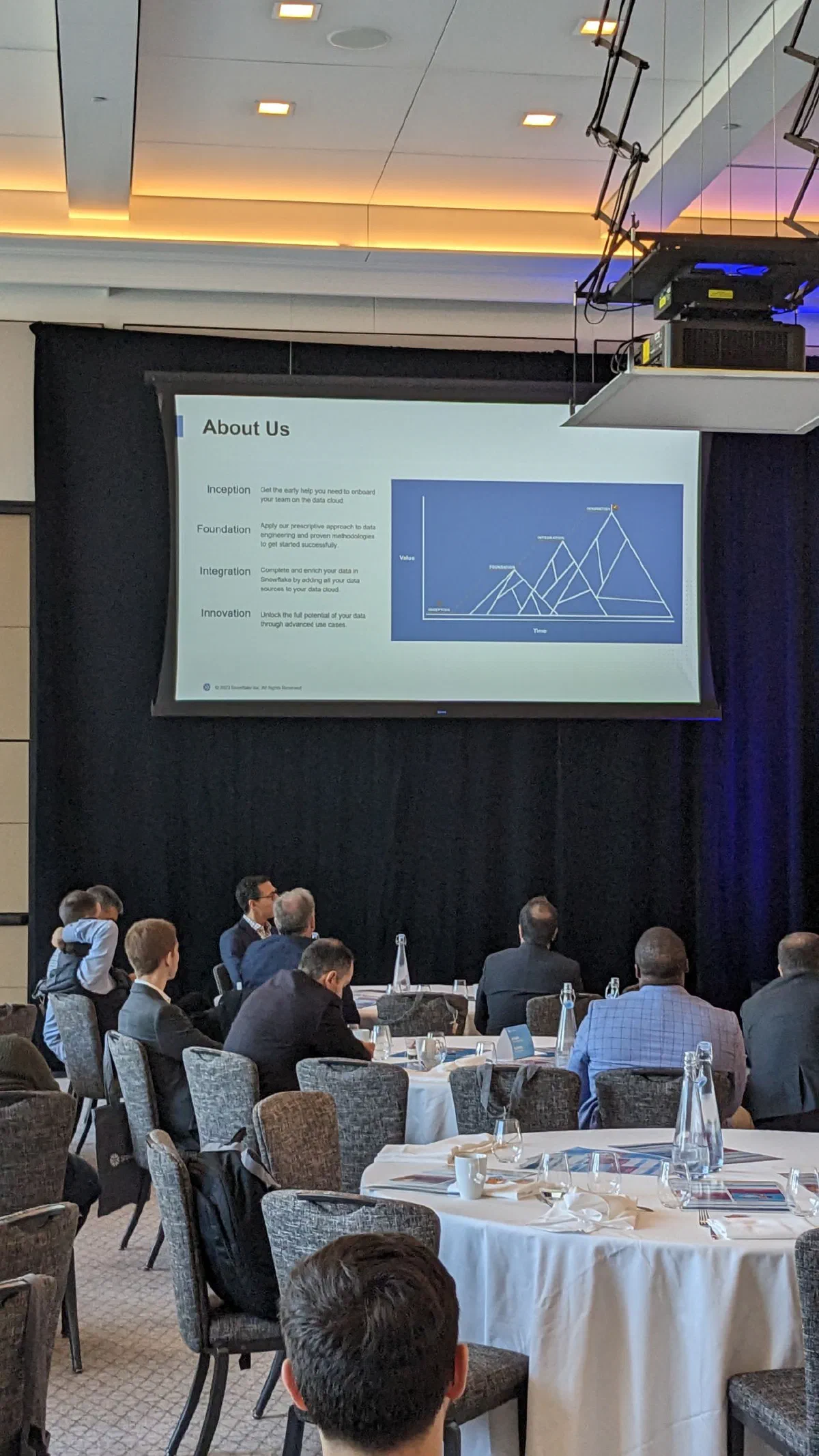
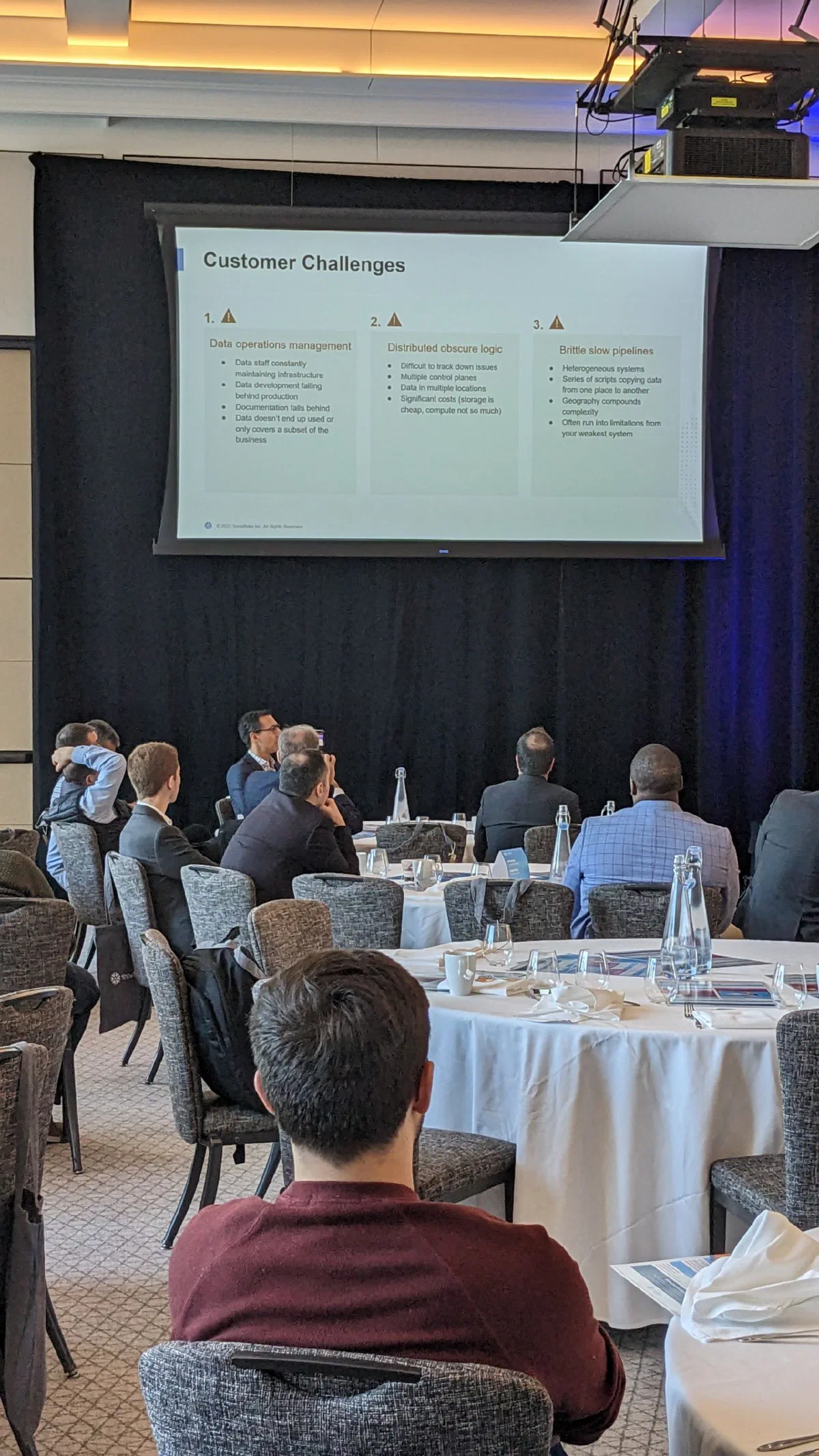
Snowflake as a single consolidation and transform layer sped up troubleshooting and made lineage easier to explain to auditors and internal users. The unstated win: analysts stop emailing CSV attachments.
3.3. Data clean rooms
Clean rooms came up for due diligence: two companies compare overlapping datasets without dumping everything into one bucket.
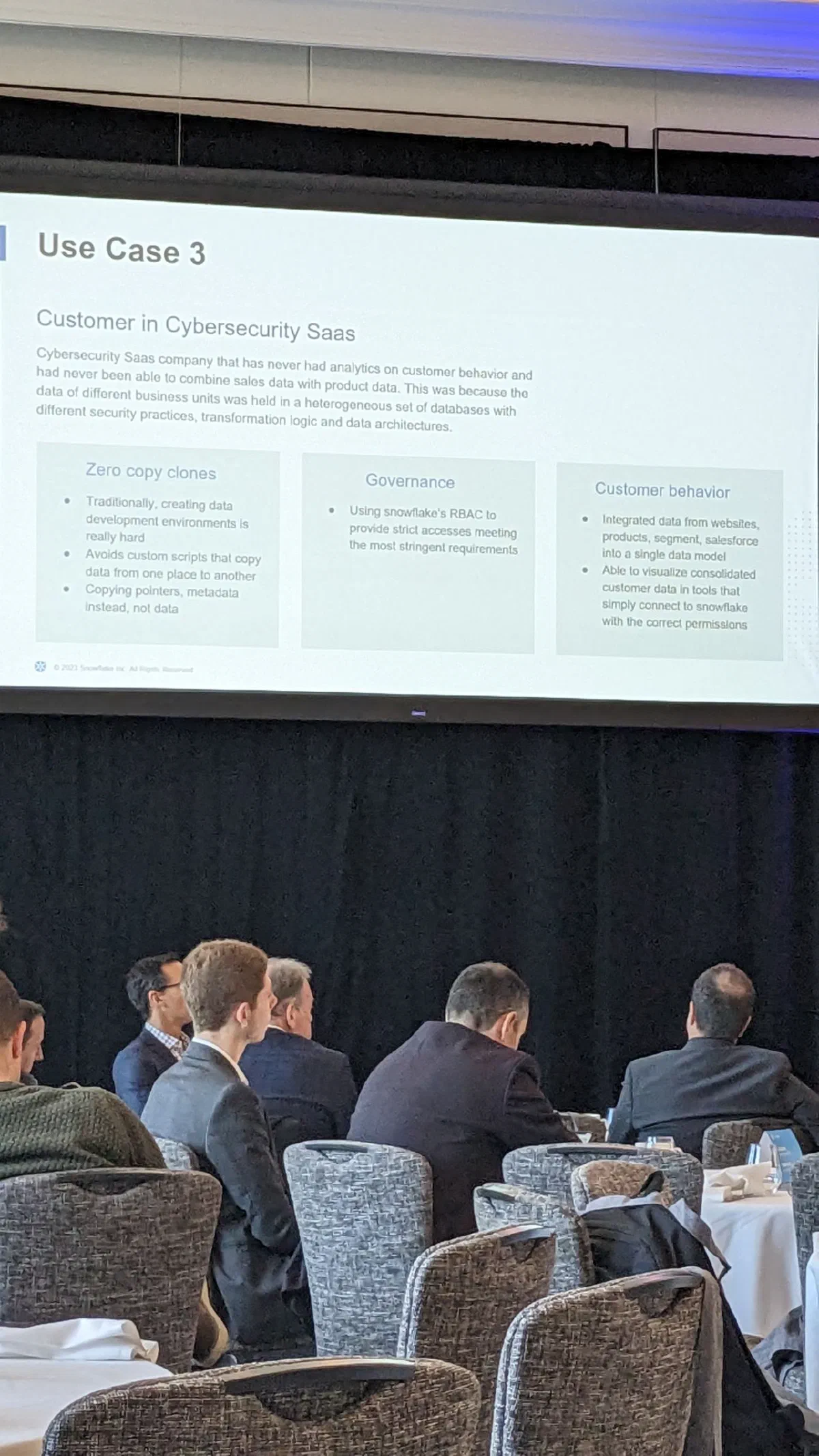
Privacy-preserving collaboration is a product story, not only a compliance checkbox — especially for M&A style questions where both sides distrust each other’s IT.
4. Comparison table (my notes)
| Pattern | Good fit | Watch out |
|---|---|---|
| Central warehouse | Many teams, shared dimensions | Cost without query discipline |
| Data sharing | Partners need live slices | Contract + row policies |
| Clean room | Sensitive overlap analysis | Setup time vs one-off export |
| Scale-up compute | Exploratory spikes | Forgotten warehouses left on |
5. Closing
Worth the morning if you touch data platforms — good snapshot of where Snowflake pushes (scale, sharing, governed collaboration). I left with clearer vocabulary for customer conversations, even when we are not on Snowflake day to day.
Same conference season as Run:ai on AWS — different stack, same habit of writing notes before the slides fade.
6. Related posts
- Vector databases and similar movies — another data-heavy thread on the blog
- Economics of LEGO with data science — playful analytics at home scale