Table of contents
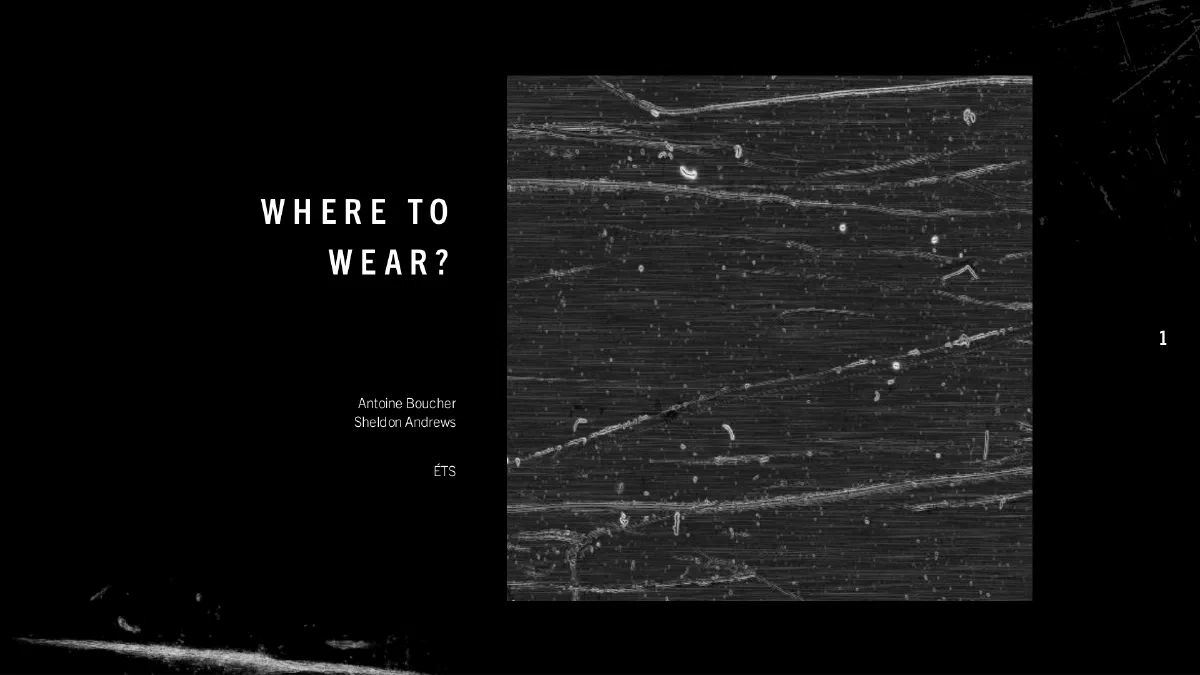
GraphQuon is the annual Quebec–Ontario pre-SIGGRAPH workshop. The 2025 edition ran 15–16 November 2025 at the University of Toronto (series page[1]). I presented there with Sheldon Andrews (ÉTS): Where to Wear? — how frictional contact leaves a readable history on surfaces, and how we can turn that into graphics and engineering feedback.
1. What I presented
Talk title: Where to Wear? (subtitle on the opening slide: Every surface has a biography written by frictional contact).
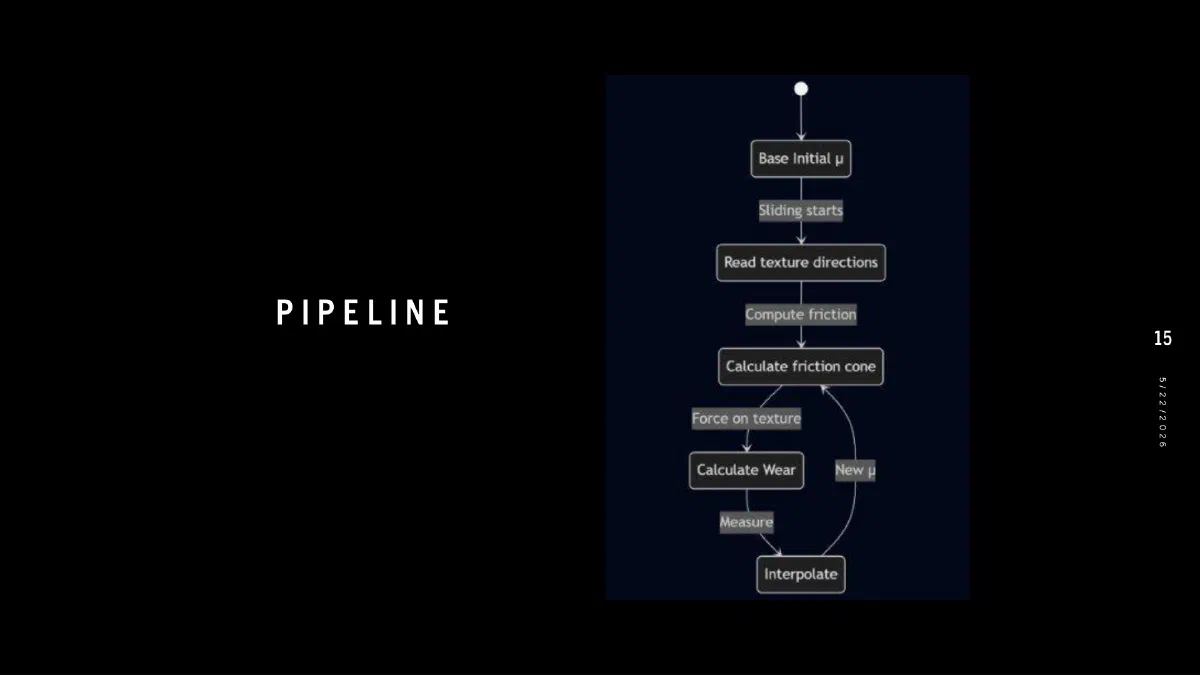
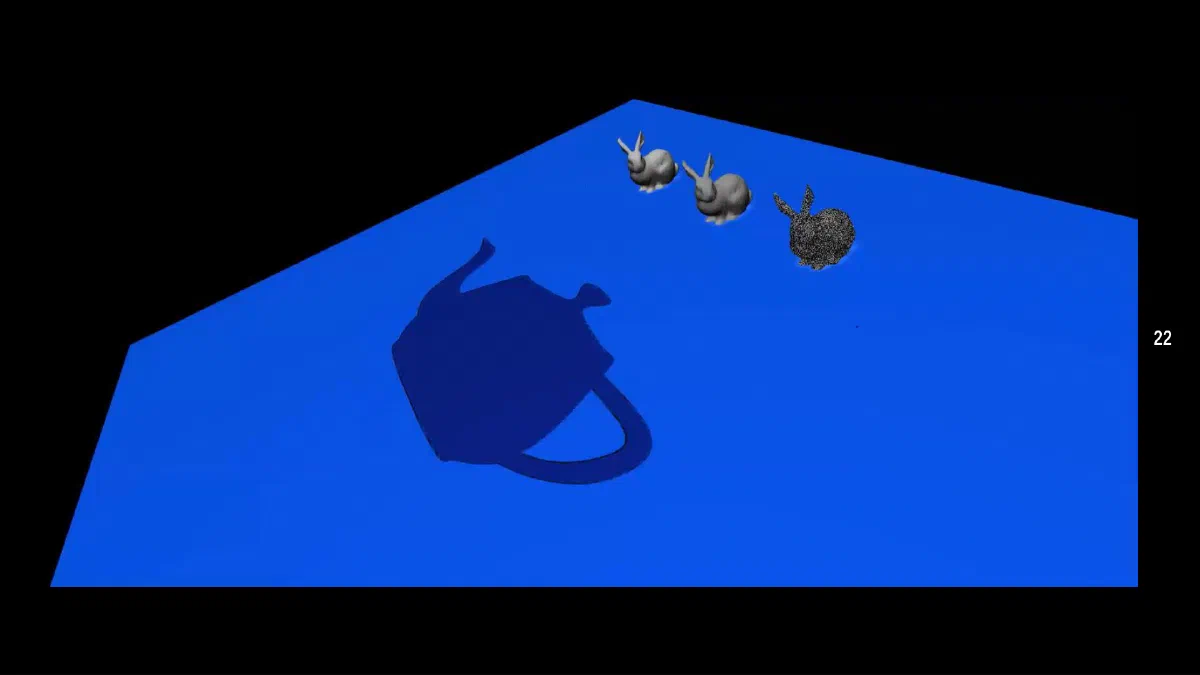
The story is simple to state and hard to simulate: time, contact, and energy dissipation change how a surface looks and behaves—from bathroom tile wear patterns at an engineering school to scratches on tools, gaming materials, and robotics grippers. The deck walks from motivation through mechanics (Archard wear, energy-based wear laws), a graphics-oriented pipeline (contact mask, orthographic volumes, tangential velocity and traction, texture integration), and validation ideas (GelSight capture, materials atlas interpolation).
1.1. Pipeline (one glance)
Wear pipeline (Mermaid source):

1.2. Why it fit GraphQuon
GraphQuon is where Quebec and Ontario graphics labs share work before SIGGRAPH season—short talks, posters, and honest feedback from people who build simulators and renderers. After helping with the GraphQuon 2024 site at ÉTS, presenting in Toronto in 2025 felt like the same community on the other side of the drive.
The research line connects to my ÉTS work on 3D fabrication and validation of frictional surfaces (project description[2]).
2. Slides and downloads
| Format | File | Notes |
|---|---|---|
| PowerPoint | graphquon-final.pptx | Original editable deck (~116 MB). Download below. |
PowerPoint (.pptx) — full talk with embedded assets:
3. What I learned presenting
- Name the evaluation gap early — reviewers asked how we would validate wear on real garments, not only in simulation.
- Slides ≠ paper — the talk format helped surface evaluation questions before the work became a manuscript.
- Community continuity — same faces as Montréal 2024, new venue; hallway conversations mattered as much as the podium.
4. Toronto, November 2025
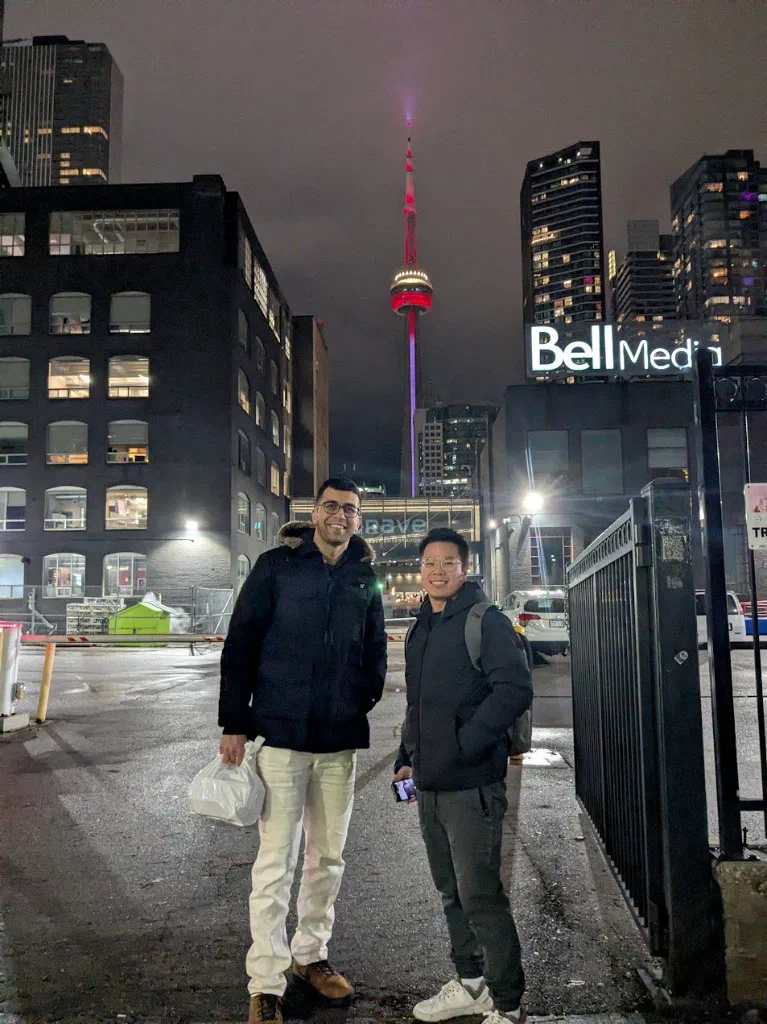
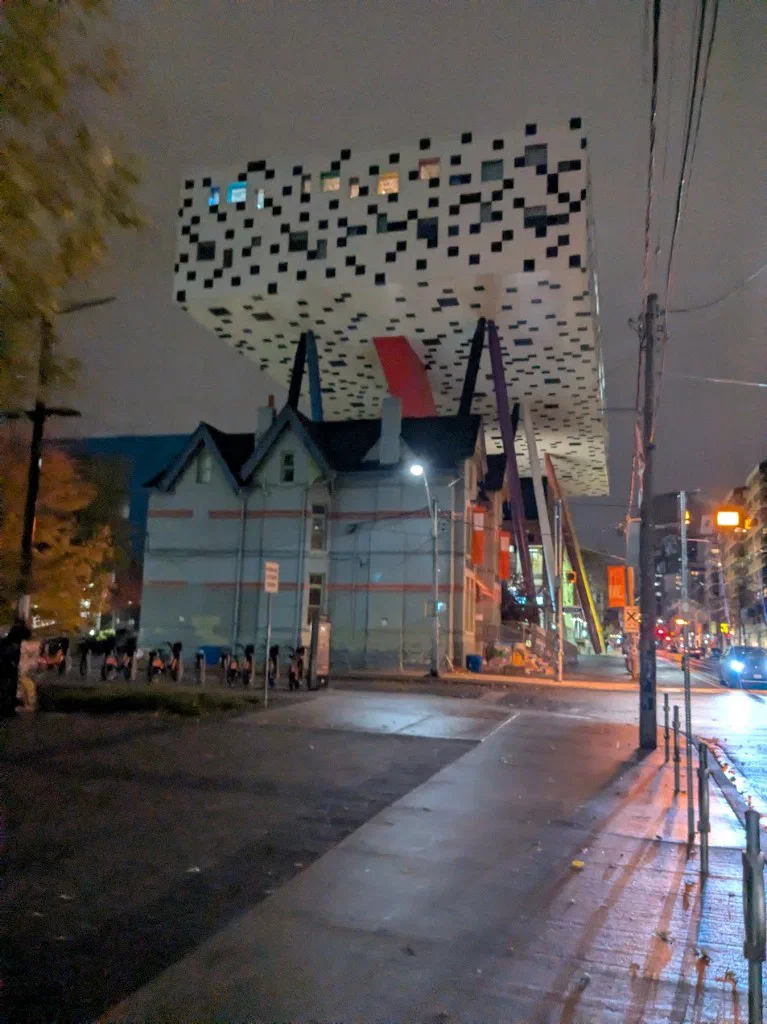
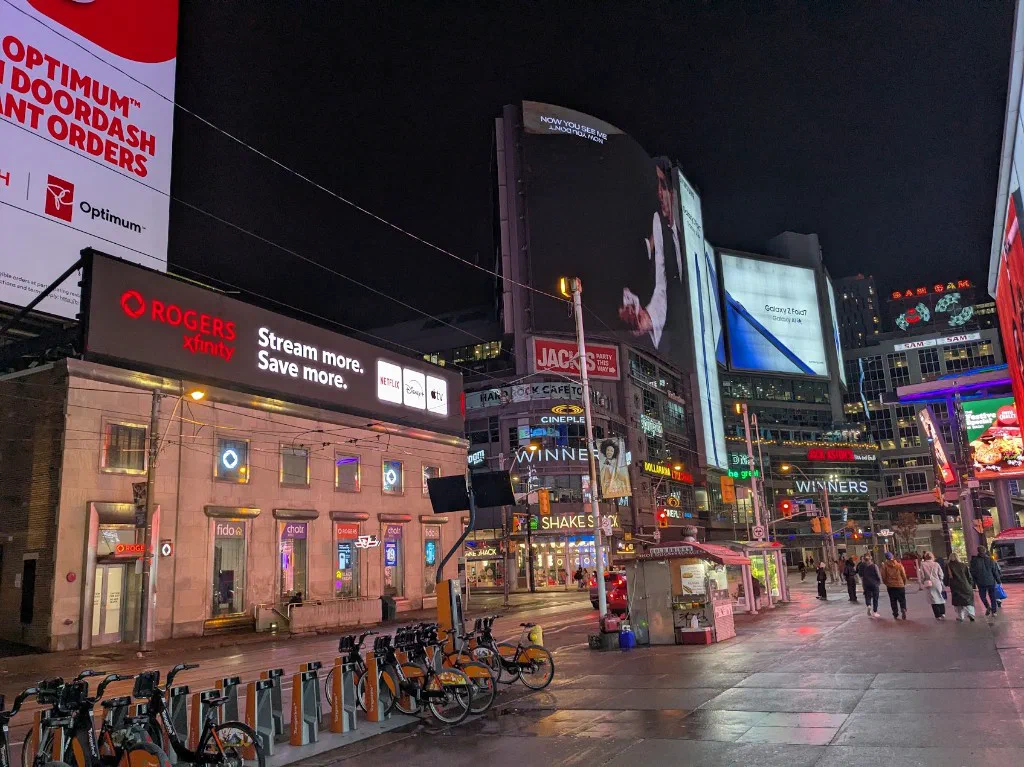
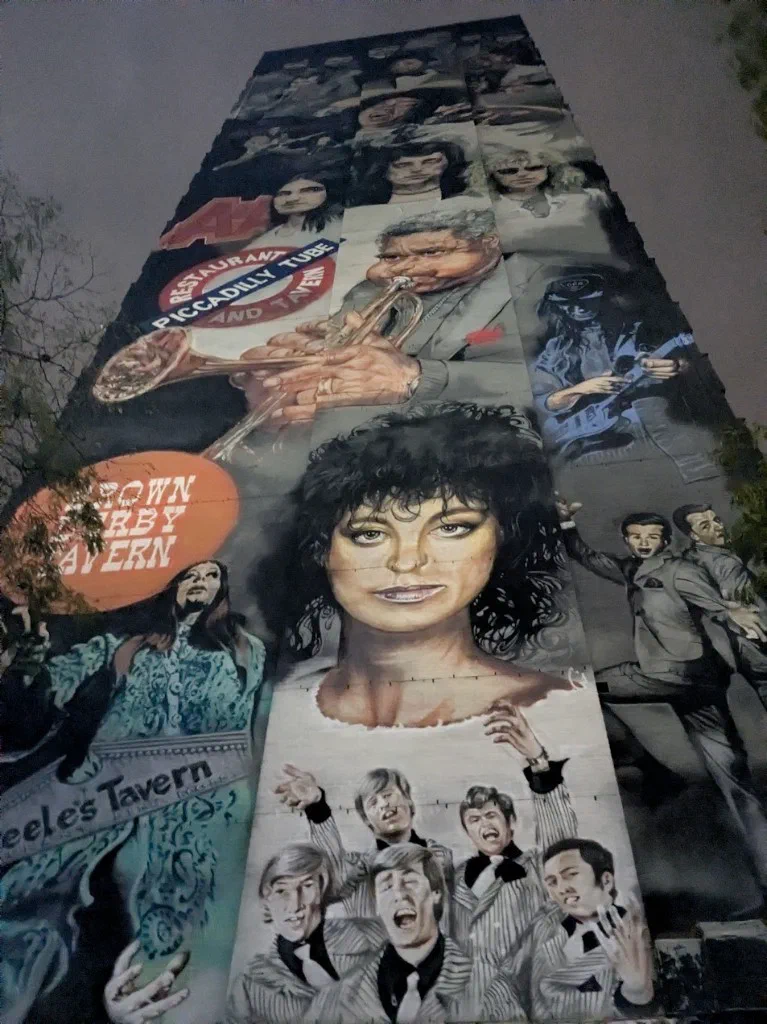
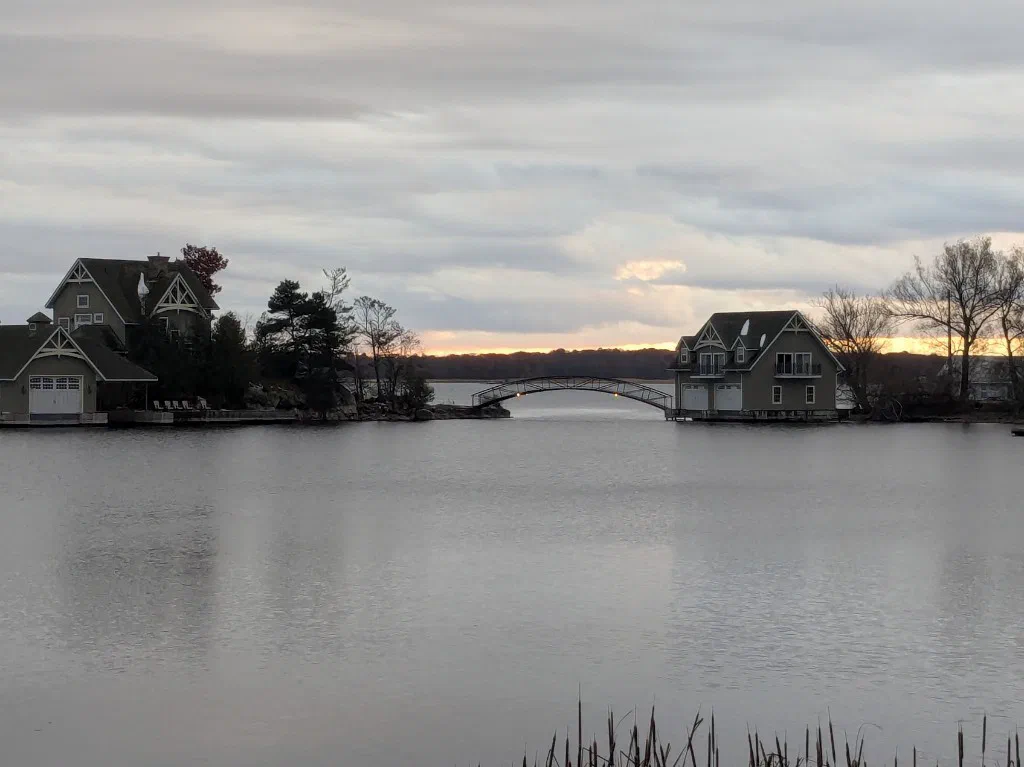
A few photos from the trip—badge, campus-adjacent architecture, and the usual downtown walks between sessions.
The CN Tower night shot is the “I made it to Toronto” postcard; I use it when I need to remember the trip was also logistics (flights, posters, HDMI), not only research.
The OCAD Sharp Centre photo is the design-school landmark — a good reminder that GraphQuon sits between engineering graphics and industrial design culture.
Yonge–Dundas was the rainy-night walk between sessions; loud screens, wet pavement, zero regret bringing waterproof shoes.
5. Related posts
- GraphQuon 2024 — ÉTS — organizing the site vs presenting in 2025
- Software engineering journey — ÉTS and wear research context
- AI figurines / 3D pipeline — another mesh-and-texture thread